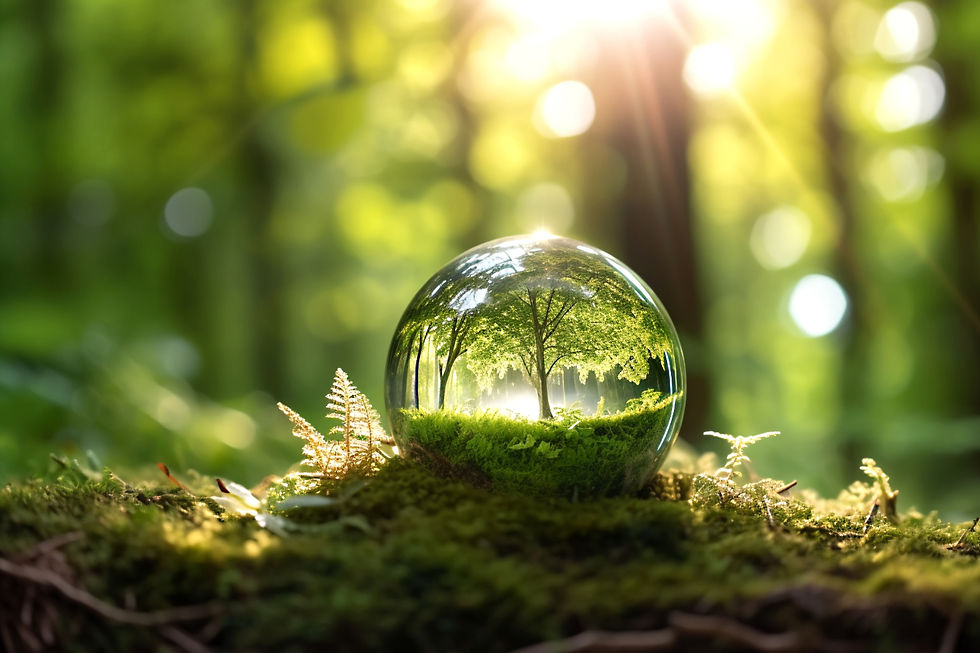
Shinrin-Yoku: The Science of Forest Bathing


Have you ever stepped into a forest and felt your shoulders drop, your breath slow and your mind quieten? There’s something about the scent of pine needles, the dappled light through leaves and the gentle crunch of moss underfoot that calms us in a way no urban park bench ever could. In Japan, this experience has a name: shinrin‑yoku, or “forest bathing.” Far from a fleeting trend, forest bathing is a practice rooted in ancient reverence for nature and backed by modern science. In this article, we’ll explore the origins of shinrin‑yoku, its physiological and psychological benefits, and how you can bring some of its magic into your own life, even if you live far from a forest.
Roots in tradition and health
The term shinrin‑yoku was coined in 1982 by Japan’s Ministry of Agriculture, Forestry and Fisheries as a response to a growing public health crisis. Japan’s rapid industrialisation had led to skyrocketing stress levels, long working hours and a phenomenon known as karōshi, or “death from overwork.” People were increasingly disconnected from the natural landscapes that once shaped their culture and spirituality. While urban parks offered some respite, the government recognised that deeper immersion in nature could be a powerful antidote to modern ailments. Drawing inspiration from Shinto and Buddhist traditions that emphasise the sacredness of forests, officials encouraged citizens to spend time among the trees. The practice was simple: walk slowly through a woodland, breathe deeply and engage your senses with curiosity and openness.
This modern initiative built upon millennia of Japanese reverence for forests. In Shinto belief, spirits known as kami inhabit natural features like trees, rivers and mountains. Buddhist monks sought enlightenment by meditating in the wilderness, and poets wrote haiku about falling leaves and mountain mists. Shinrin‑yoku bridged these spiritual traditions with modern public health, turning what many already intuited into a formalised practice.
Science among the trees
The benefits of forest bathing may feel mystical, but researchers have been measuring them with surprising precision. Studies led by physicians such as Dr. Qing Li of Tokyo’s Nippon Medical School have shown that spending time in forests lowers cortisol levels, the hormone associated with stress. Participants in these studies often exhibit reduced blood pressure and heart rates compared to those walking in urban environments. The effects extend beyond relaxation: inhaling phytoncides, the organic compounds released by trees, appears to boost immune function by increasing the activity of natural killer cells, which play a role in fighting infection and even cancer.
Psychological benefits mirror these physiological changes. People who practice shinrin‑yoku report lower levels of anxiety and depression, improved mood and greater ability to concentrate. One study found that the restorative effect of forest bathing lasts for weeks, suggesting that its benefits accumulate over time. The practice also fosters a sense of awe and connectedness, which has been linked to greater life satisfaction and pro‑environmental behaviour.
Importantly, you don’t need to trek into a remote wilderness to reap these rewards. Research indicates that urban green spaces such as city parks, botanical gardens and tree‑lined trails offer similar benefits to more pristine environments. While walking in an ancient cedar grove may feel especially profound, the key seems to be immersing yourself in natural stimuli, whether that’s the scent of damp earth or the sight of leaves dancing in the wind.
How to practise forest bathing
Shinrin‑yoku isn’t about exercise or reaching a destination. It’s about presence. Here are some guidelines to help you get started:
Slow down
Leave your watch and step counter at home. Forest bathing invites you to move at a leisurely pace, allowing your senses to fully absorb the surroundings. If you notice yourself speeding up, consciously slow your steps and deepen your breath.
Engage your senses
Pause to notice the patterns of bark on a tree, the sound of a bird calling from a distance or the warmth of sunlight on your face. Gently touch leaves or rocks, inhale the forest air and listen for layers of sound. This sensory engagement helps anchor you in the present moment, quieting mental chatter.
Unplug
Turn off your phone or leave it behind. The goal is to reduce cognitive distractions and allow your mind to sync with the rhythm of nature. If you’re using NatureScapes, select a track inspired by forests before you start and then tuck your device away so the recording can blend with the real environment. Alternatively, listen to a forest soundscape afterward to extend the feeling of calm at home.
Find your spot
You don’t need to hike deep into the wilderness. A city park with mature trees, a community garden or even a quiet tree‑lined street can work. The practice is adaptable. Some people sit on a bench and observe a single tree for half an hour, while others wander through multiple trails. Try different environments and notice how each one affects you.
Take your time
Set aside at least 20 minutes to begin experiencing the benefits of forest bathing. Studies suggest that the positive effects increase with longer exposure, plateauing around two hours per week. Consider scheduling regular sessions: a short visit during your lunch break and a longer walk on the weekend can add up to meaningful changes in mood and health.
Global roots and modern adaptations
While shinrin‑yoku originated in Japan, the concept has spread across the globe. Countries from South Korea to Canada have established official forest therapy trails, and certified guides now lead forest bathing sessions everywhere from Scandinavian pine forests to New York’s Central Park. Wellness resorts offer “nature immersion experiences,” and health insurers in some countries reimburse forest therapy sessions as preventative medicine. At the same time, people have adapted the practice for urban environments and personal routines. Some practitioners combine shinrin‑yoku with yoga or journaling, while others create “micro‑bathings” by tending indoor plants or listening to nature sounds at home. The common thread is intentional, mindful engagement with the living world.
At NatureScapes, we see shinrin‑yoku as more than a trend. It’s a reminder of our inherent connection to the Earth. That’s why many of our soundscapes are recorded in forests at different times of day, capturing everything from morning birdsong to the echo of rain on broad leaves. If you can’t get outside, listening to these tracks can evoke similar feelings of calm and grounding. And if you are able to go for a walk, pairing real and recorded nature can deepen the experience, making the app a guide rather than a replacement.
Closing thoughts
Forest bathing invites us to slow down in a world that constantly accelerates. It offers a path back to a sense of wonder we knew as children, when a tree could be a castle and a path through the woods felt like an adventure. The science may speak in terms of cortisol and natural killer cells, but the heart of shinrin‑yoku is simple: when we immerse ourselves in nature, we remember that we are part of something vast and alive. Whether you stand in an ancient cedar grove, wander through a city park or close your eyes to listen to our “Rainforest Night” track, let the forest speak to you. Its message has been the same for millennia: breathe, notice, connect.